
AI & Workflow Implementation
Applied Neurodivergence Meets Artificial Intelligence
The AI revolution isn't coming. It's here.
Every industry. Every sector. Every economy on earth is being reshaped by artificial intelligence. The organizations that thrive will be those that successfully integrate AI into existing workflows. The ones that fail will be those that treat AI as a bolt-on—or worse, ignore it entirely.
Here's what most consultants won't tell you: the key to AI implementation isn't the technology. It's the interface between human cognition and machine intelligence.
This is where Applied Neurodivergence changes everything.
The ND/AI Advantage
The Neurodivergent Advantage in AI Implementation
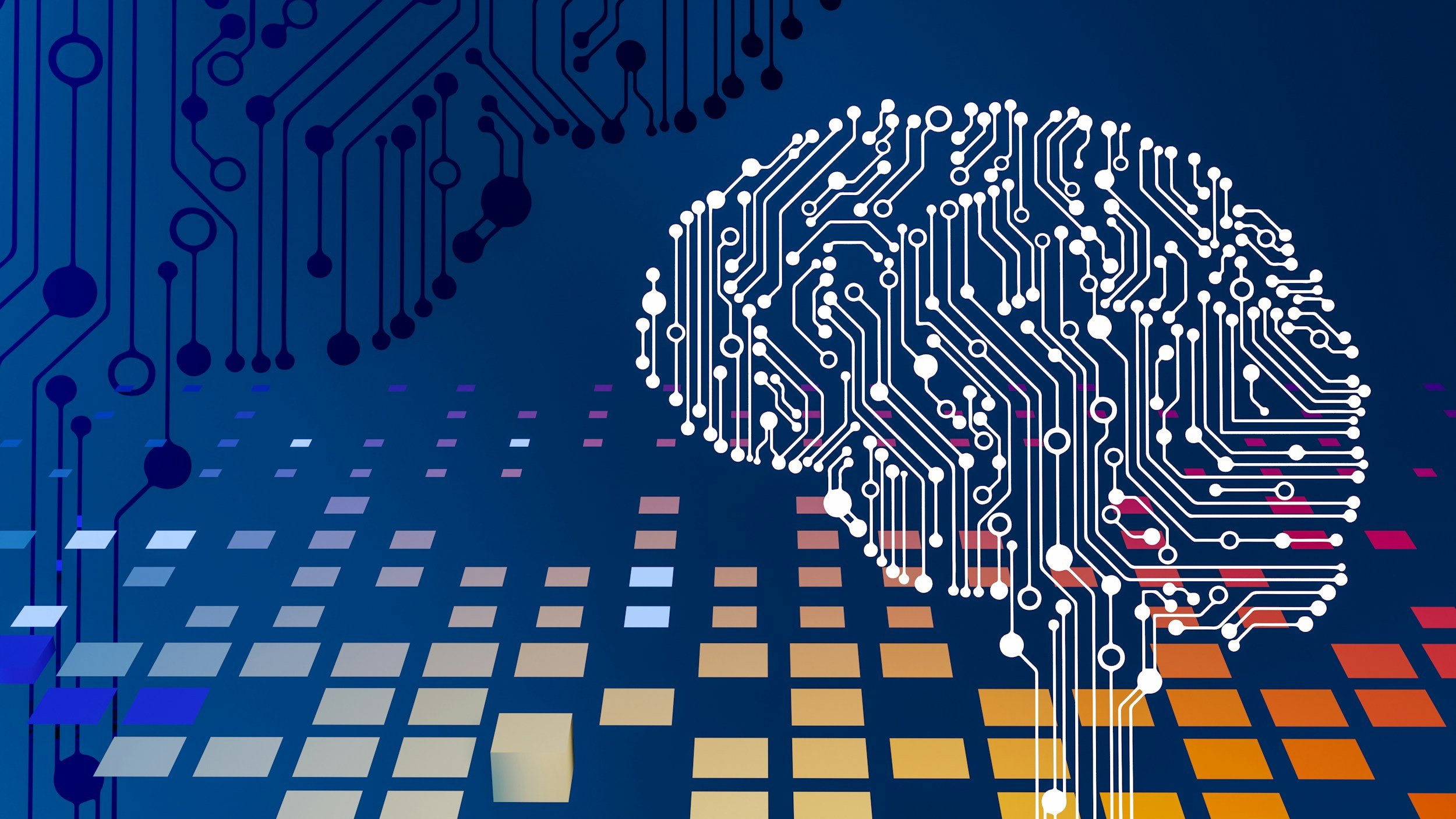
Neurodivergent brains and artificial intelligence share the same cognitive architecture: bottom-up processing.
Both build understanding from data points upward—details first, then patterns, then systems. While neurotypical cognition applies top-down frameworks to situations, ND cognition and AI construct meaning from the ground up.
This isn't metaphor. It's operational reality.
Neurodivergent professionals consistently outperform in AI adoption because the interface is natural. There's no cognitive translation required. ND users don't fight the tool—they think alongside it.
PathWays Collective leverages this natural alignment to accelerate AI implementation and eliminate the friction that stalls most organizations.

The Implantation Challenge
Why AI Implementation Fails
The technology works. The integration doesn't.
Most AI implementation failures aren't technical—they're systemic:
Legacy System Friction
Existing workflows were designed for human-only operation. AI doesn't slot cleanly into processes built on assumptions it doesn't share. Without intentional redesign, you get friction, workarounds, and rejection.
Cognitive Resistance
Employees trained in top-down processing struggle to collaborate with bottom-up AI tools. The interface feels foreign. Adoption stalls. Investment is wasted.
Workflow Disruption
AI changes how work flows. Organizations that implement AI without redesigning workflows create chaos—two systems competing instead of one system enhanced.
The Missing Bridge
What's needed isn't more training on AI tools. It's a bridge between human cognition and machine intelligence—someone who speaks both languages natively.
That's Applied Neurodivergence.
What We Deliver
Workflow Analysis
We map your current operational workflows to identify where AI integration creates maximum value—and where it creates friction. Not every process needs AI. We find the ones that do.
Implementation Architecture
We design the integration pathway—how AI tools connect to legacy systems, where human oversight remains essential, and how information flows between human and machine intelligence.
Interface Optimization
We engineer the interaction layer between your team and AI tools— reducing cognitive friction, accelerating adoption, and ensuring the technology amplifies rather than disrupts.
Change Infrastructure
AI implementation isn't a one-time event. We build the internal infrastructure for ongoing adaptation—because AI capabilities are evolving faster than annual planning cycles.


Our Methodology
We implement the Sight-Side Protocol™ for AI integration:
Assessment
Bottom-up analysis of current workflows, legacy systems, and team cognitive profiles. We identify where AI fits naturally and where friction will emerge.
Design
Architecture of the implementation pathway-sequencing, dependencies, training requirements, and success metrics. No generic playbooks. Custom engineering for your system.
Integration
Hands-on implementation with real-time calibration. We don't hand off a plan and disappear. We install the system and stay until it holds.
Optimization
Ongoing refinement as AI capabilities evolve and your organization adapts. The goal isn't a successful launch—it's sustained operational advantage.
The Stakes
The Stakes Are Economy-Wide
This isn't a trend. It's a transformation.
AI adoption is reshaping every industry on earth—finance, healthcare, logistics, manufacturing, professional services, creative industries. No sector is untouched. No organization is exempt.
The competitive window is now. Organizations that successfully integrate AI will operate faster, leaner, and smarter than those still debating implementation.
The question isn't whether to adopt AI. The question is whether you'll lead or be left behind


Who This is For
Organizations Ready to Move
Leadership that has decided to implement AI and needs a clear pathway from decision to operation.
Legacy-Heavy Enterprises
Companies with established systems that need AI integrated without destroying what already works.
Technical Teams
Engineering, data, and operations teams that need AI tools to amplify existing capabilities—not complicate them.
Forward-Looking Leadership
Executives who understand the stakes and want implementation done right the first time.